Understanding Kitchen Cabinet Types
When it comes to selecting kitchen cabinets, homeowners in the USA have a diverse array of options to choose from, each with distinct features, benefits, and drawbacks. The main categories of kitchen cabinets include stock cabinets, semi-custom cabinets, and custom cabinets. Understanding these types aids in making an informed choice tailored to specific preferences and kitchen layouts.
Stock cabinets are pre-manufactured in standard sizes and come in a variety of finishes and styles. They are typically less expensive than other options, making them a popular choice for budget-conscious homeowners. However, the primary limitation of stock cabinets lies in their lack of customization. While there is a wide variety of designs, the options regarding size and features are limited, which may not suit all kitchen layouts.
Semi-custom cabinets bridge the gap between stock and custom cabinets. These cabinets are also pre-manufactured but offer a greater degree of customization, allowing homeowners to select various finishes, sizes, and additional features. This option provides a middle ground, where homeowners can enjoy a personalized look without the full expense associated with complete customization. Nonetheless, semi-custom cabinets can still be more costly than stock options, depending on the choices made.
Custom cabinets provide the ultimate flexibility and personalization. They are built to fit specific dimensions and style preferences, allowing homeowners to maximize the functionality and aesthetics of their kitchen space. This option can include unique features such as specialized storage solutions and tailored finishes. However, it is important for homeowners to consider that custom kitchen cabinets typically come with the highest price tag, as they require more time and craftsmanship.
In conclusion, each type of kitchen cabinets has its own set of pros and cons. Stock cabinets serve those with budget constraints, while semi-custom and custom cabinets cater to those seeking uniqueness and personalization. When choosing the best kitchen cabinets, it is crucial to weigh these factors against your specific needs and budget to arrive at an informed decision.
Choosing the Right Materials for Your Cabinets
When selecting kitchen cabinets, one of the pivotal decisions involves the choice of materials. The material used for your cabinets significantly influences not only the aesthetic appeal but also the durability and maintenance requirements. Among the various options available, wood, laminate, metal, and MDF (medium-density fiberboard) are some of the most popular choices.
Wood is often regarded as the prime material for the best kitchen cabinets due to its natural beauty and strength. It offers a variety of styles and finishes, making it adaptable to different kitchen designs. However, one must consider the type of wood; hardwoods such as oak and cherry are typically more durable but tend to be pricier. On the other hand, softwoods like pine are available at a lower cost but may not withstand wear and tear as well. Maintenance for wood cabinets can involve periodic sealing or refinishing to preserve their appearance over time.
Laminate cabinets present a more affordable alternative while offering a diverse range of colors and patterns. Made from particleboard or MDF covered with a layer of plastic, these cabinets are resistant to scratches and stains, making them easier to maintain. However, they may not provide the same level of durability as solid wood. Additionally, the aesthetic appeal of laminate cabinets can vary widely, so it is vital to choose high-quality finishes for a more authentic look.
Metal cabinets, often overlooked, bring a modern industrial touch to kitchen designs. They are exceptionally durable and easy to clean, making them low-maintenance. However, rust and dents are potential concerns, especially in humid environments. Their aesthetic may not suit every homeowner’s taste, but they can be compelling when paired with the right décor.
MDF offers an inexpensive and versatile option for kitchen cabinet construction. It is engineered from wood fibers and is often used for painted cabinets due to its smooth surface. While it is not as durable as solid wood, it can withstand moisture better, making it a good choice for kitchens. Its lightweight nature also aids in easier installation.
Ultimately, the choice of materials for kitchen cabinets should be informed by personal style preferences, budget considerations, and required durability. Understanding the distinctive characteristics of wood, laminate, metal, and MDF can help homeowners make more informed decisions when embarking on their kitchen renovation journey.
Cabinet Construction Quality and What to Look For
When considering kitchen cabinets, one of the most crucial aspects to evaluate is the construction quality. High-quality kitchen cabinets can significantly enhance the overall functionality and aesthetic appeal of your kitchen. Indicators of well-made cabinets include several factors such as joint types, thickness of materials, and overall craftsmanship.
Joint types play a vital role in the durability of kitchen cabinets. For instance, cabinets that are assembled using dovetail or mortise-and-tenon joints are generally more robust than those using simpler methods like butt joints. Dovetail joints, commonly found in drawer construction, provide superior resistance to pulling and sagging, while mortise-and-tenon joints offer increased stability over time, making them ideal for cabinet frames.
The thickness of materials used in the construction of kitchen cabinets is another important consideration. Typically, the best kitchen cabinets are made from materials that are at least three-quarter inches thick. Thicker wood or plywood ensures greater strength and can resist warping, which is essential for cabinets that will endure daily wear and tear. On the other hand, cabinets made from thinner, lower-quality materials may not last, leading to costly replacements in the future.
Craftsmanship is an aspect that should not be overlooked when assessing kitchen cabinets. Skilled artisans will pay attention to the details, ensuring that all components fit perfectly and that finishes are applied evenly. Well-crafted cabinets can be easily identified by smooth edges, consistent color, and solid construction, all of which indicate a higher standard of quality. This quality craftsmanship not only enhances the visual appeal but also impacts the longevity and performance of the cabinets in your kitchen.
In summary, recognizing the indicators of good cabinet construction, such as joint types, material thickness, and craftsmanship, can help homeowners make informed decisions when selecting kitchen cabinets. Investing in high-quality cabinets can ultimately lead to enhanced functionality, style, and lasting value in your home.
Exploring Kitchen Cabinet Styles and Finishes
Kitchen cabinets play a crucial role in defining the overall look and feel of a kitchen. When selecting the best kitchen cabinets, homeowners must consider various styles and finishes that can enhance their space. Popular kitchen cabinet styles include modern, traditional, and farmhouse, each offering a distinct aesthetic and functionality.
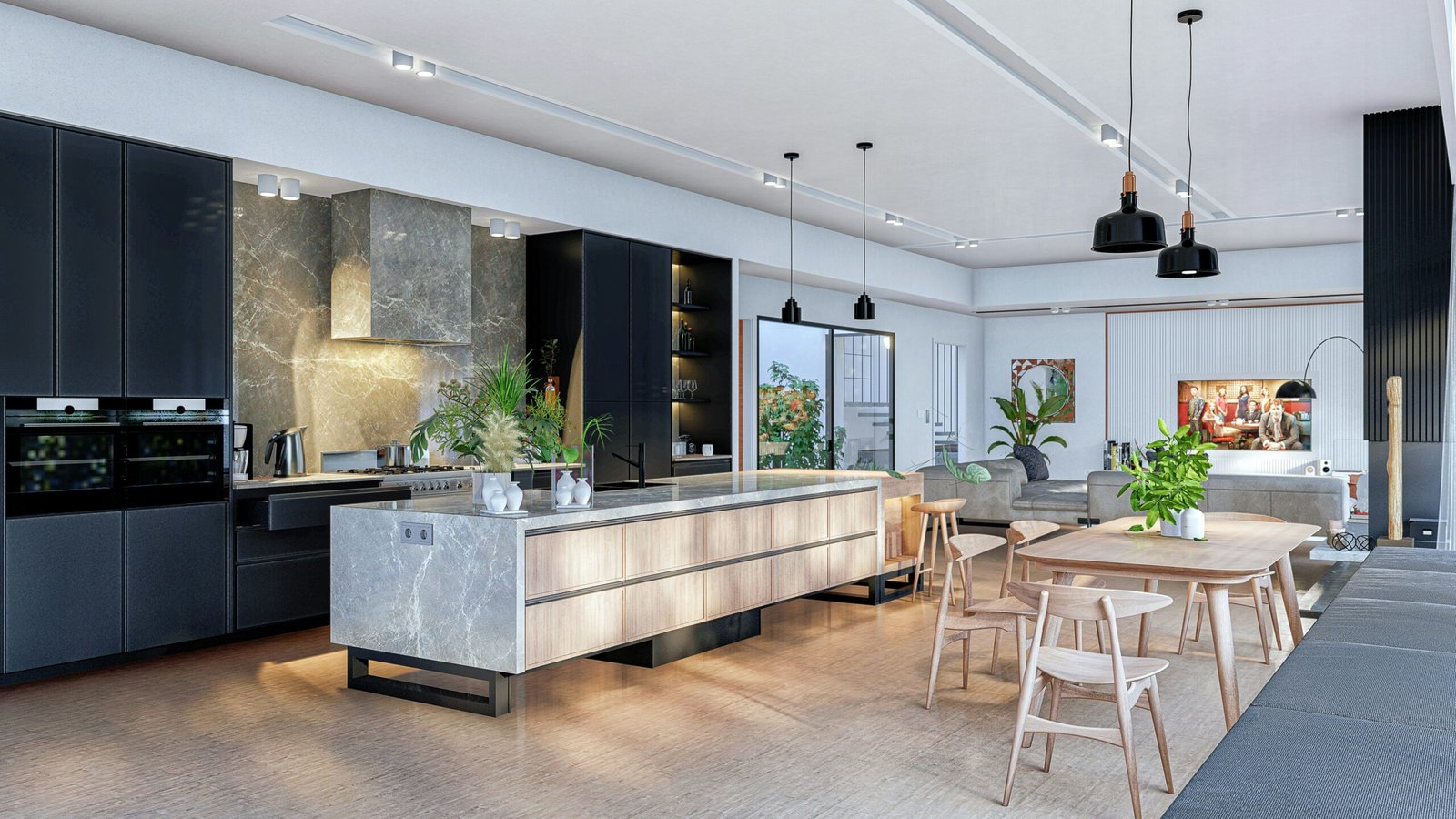
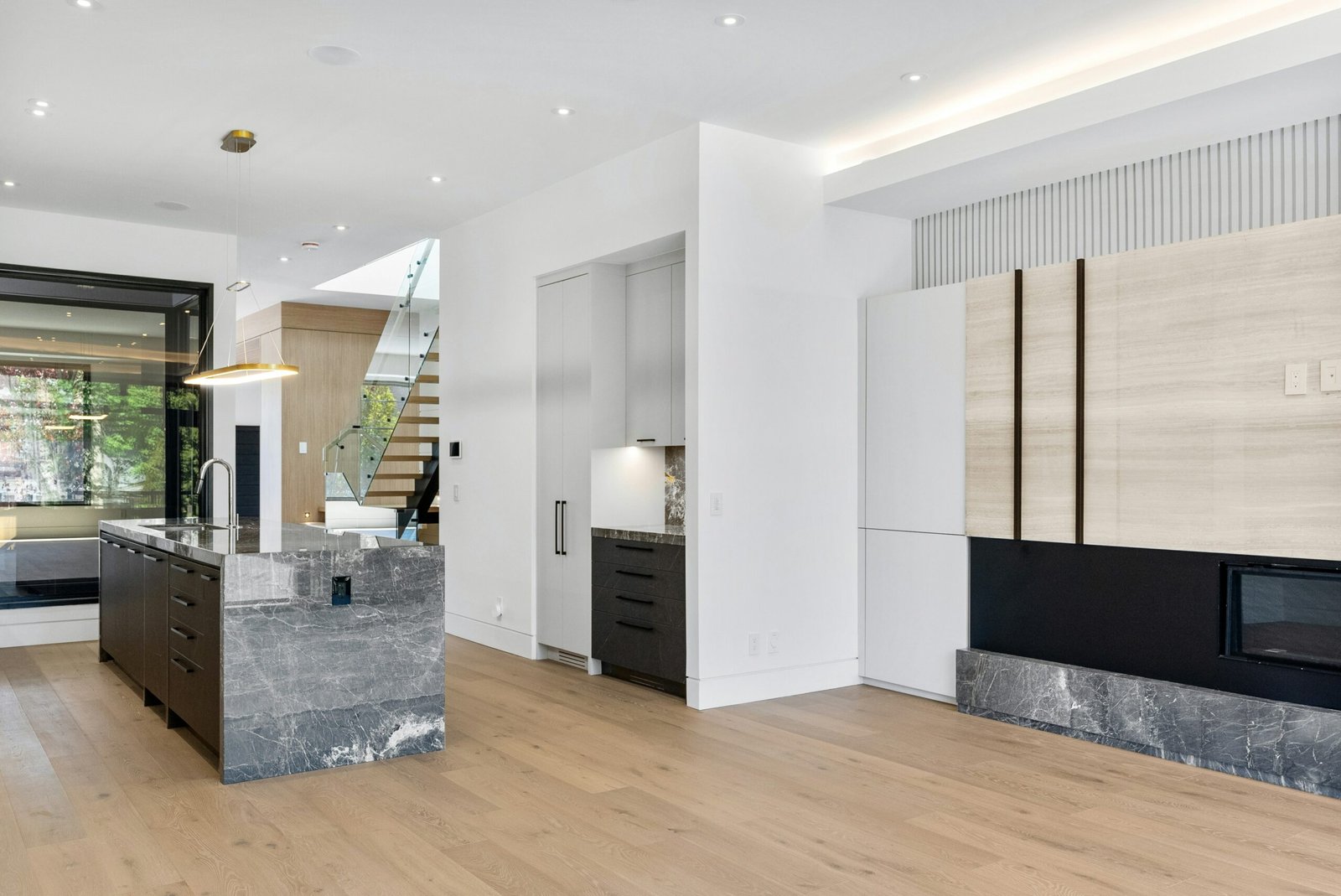
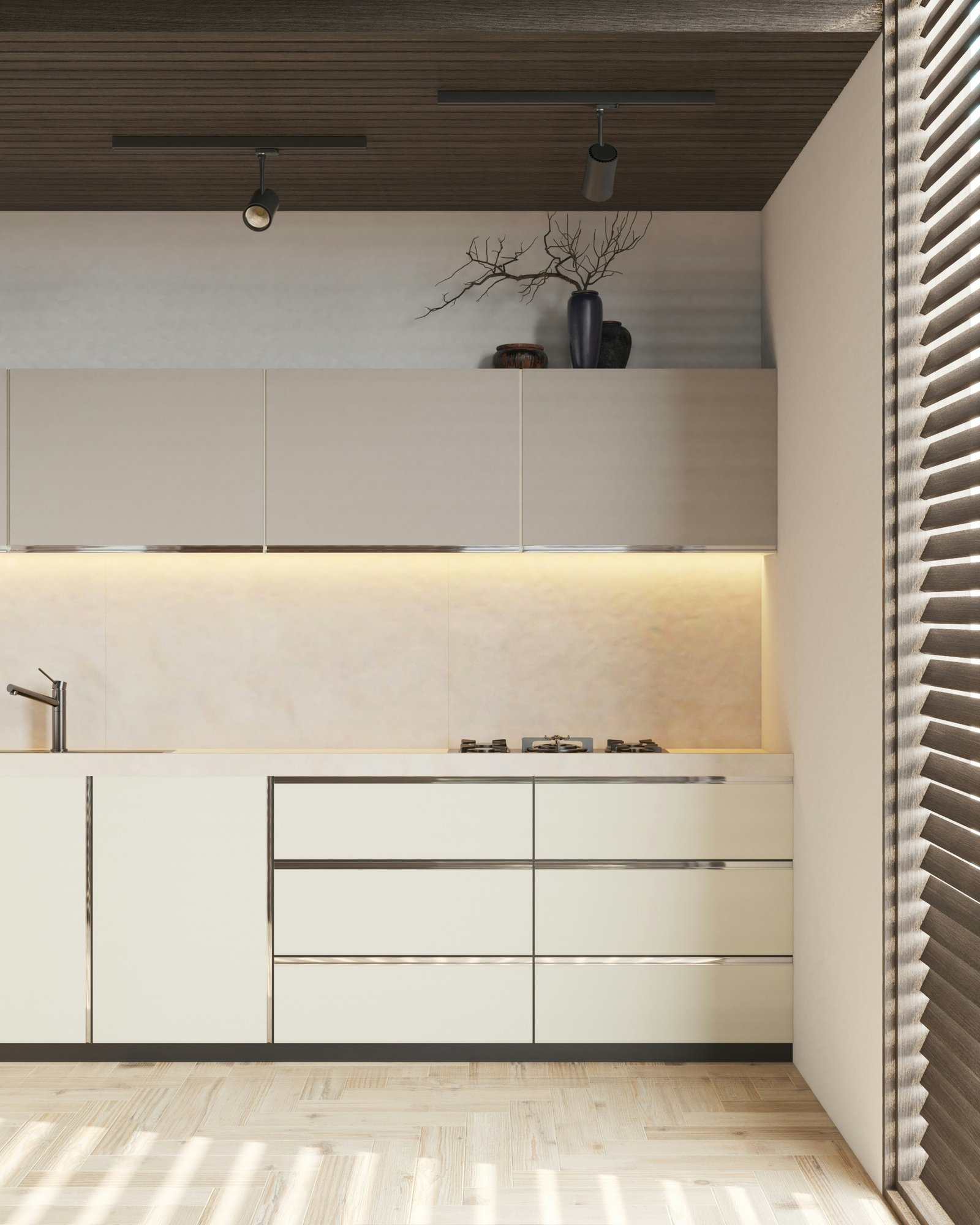
Modern kitchen cabinets are characterized by sleek designs, clean lines, and minimalistic features. These cabinets often incorporate materials such as glass and metal, creating a contemporary look that resonates with urban dwellers. On the other hand, traditional kitchen cabinets feature more ornate designs with intricate woodwork, making them an excellent choice for those who prefer a classic, timeless feel. Farmhouse kitchen cabinets combine practicality with rustic elegance, often incorporating distressed finishes and warm colors that evoke a cozy, inviting atmosphere.
Finishes also play a vital role in the appearance of kitchen cabinets. Painted finishes provide a smooth, uniform look, allowing for versatility in color selection to match any décor. Stained finishes, on the other hand, preserve the natural beauty of wood, showcasing its grain and texture while adding warmth to the kitchen. For a more sophisticated look, glazed finishes add depth and visual interest, often complementing traditional and farmhouse styles beautifully.
Ultimately, the choice of kitchen cabinet styles and finishes should reflect personal taste and harmonize with the existing home décor. Custom kitchen cabinets offer the flexibility to personalize these selections, ensuring that the final product perfectly aligns with the homeowner’s vision. By carefully evaluating different styles and finishes, one can achieve a kitchen that is not only functional but also a true representation of individual style.
Color Options for Your Kitchen Cabinets
Color plays a crucial role in kitchen design, particularly when it comes to kitchen cabinets. The choice of colors can significantly influence the atmosphere of the space, making it feel more open, inviting, or even cozy. It is essential for homeowners to consider trending color palettes that not only resonate with their personal style but also complement existing aesthetics within the home.
Currently, popular color options for kitchen cabinets include soft neutrals, bold colors, and deep, rich tones. Soft white and gray have become staples for those looking for a modern and clean appearance, while bold colors like navy blue and forest green can create a dramatic focal point. For a classic touch, earth tones such as terracotta or muted sage are gaining popularity, offering warmth while remaining stylish.
When selecting colors for kitchen cabinets, homeowners should assess their existing kitchen design. This involves evaluating the overall color scheme of walls, countertops, and flooring. For example, if your kitchen features light walls and darker countertops, opting for medium-toned cabinets can preserve balance while creating visual interest. On the other hand, if the kitchen is already filled with vibrant colors, it might be wise to choose a quieter cabinet hue to avoid overwhelming the senses.
To enhance your kitchen space using color, consider the following tips: Firstly, utilize cabinetry to anchor the room—a darker color can ground the space, while lighter shades can elevate and expand it visually. Secondly, implement accent colors through hardware or complementary decor items to create cohesion throughout the area. Incorporating textures in cabinetry finishes can also add depth and sophistication to your design, whether it be a high-gloss finish or a matte surface.
Ultimately, selecting the right color for your kitchen cabinets is a personal journey that should reflect your style and preferences, while also taking into account current design trends and your kitchen’s existing color palette. By doing so, you can create a harmonious kitchen that enhances both functionality and aesthetics, allowing your culinary space to shine.
Cabinet Sizes and Storage Solutions
When it comes to kitchen cabinets, understanding standard sizes is essential for effective kitchen design. The most common cabinet heights range from 30 to 36 inches for base cabinets and up to 42 inches for wall cabinets. These dimensions ensure that the cabinets fit well with the overall kitchen layout, promoting both functionality and aesthetic appeal. Homeowners targeting the best kitchen cabinets should consider these standardized measurements when planning their renovations or new constructions.
In addition to height, the depth of kitchen cabinets typically measures 24 inches for base cabinets and between 12 to 15 inches for wall cabinets. These dimensions are designed to maximize the usability of kitchen space while ensuring that there is adequate room for appliances and countertops. However, custom kitchen cabinets can be built to accommodate unique spaces, allowing homeowners to design cabinets that fit perfectly in specific areas of their kitchens.
Optimizing kitchen space is essential for enhancing storage efficiency. Various kitchen cabinet styles can include features like pull-out shelves, lazy Susans, and built-in organizers that help utilize every inch of the cabinet effectively. Pull-out shelves, for instance, enhance access to items located in the back of deep cabinets, ensuring nothing is left forgotten. Furthermore, incorporating built-ins can help create seamless storage solutions that integrate with the overall kitchen design while maximizing space.
Additionally, it is important to consider the addition of corner cabinets equipped with carousel or pull-out mechanisms to make full use of otherwise underutilized corners. Cabinet configurations that include draw-out racks or integrated dividers can further simplify organization, making it easier to keep all kitchen essentials readily available.
Overall, understanding the standard sizes of kitchen cabinets and effectively utilizing innovative storage solutions will significantly improve functionality within the kitchen area. Ensuring that cabinet designs cater specifically to the homeowner’s needs will create a more efficient and enjoyable cooking space.
Comparing Prices: Stock, Semi-Custom, and Custom Cabinets
When it comes to kitchen renovations, understanding the kitchen cabinet cost is crucial for homeowners. The price of kitchen cabinets can vary significantly based on the type and material chosen. There are three main categories of cabinets: stock, semi-custom, and custom cabinets. Each category presents different price points and options that cater to varying needs and budgets.
Stock cabinets are the most affordable option, generally ranging from $100 to $500 per linear foot, depending on the material and style. These cabinets are pre-manufactured in standardized sizes and typically offered in limited styles and finishes. While they are cost-effective, stock cabinets may not perfectly fit every kitchen layout, which could necessitate modification or fillers, potentially adding to the overall cost.
Semi-custom cabinets bridge the gap between stock and custom options. Prices for semi-custom cabinets typically range from $150 to $1,200 per linear foot. These cabinets offer more variety in terms of styles, finishes, and sizes. Homeowners can personalize certain aspects, such as cabinet depth or finishes, allowing for a better fit in unique kitchen layouts. While more expensive than stock options, the added personalization often justifies the price for homeowners looking for a balance between cost and customization.
On the higher end are custom cabinets, which can cost anywhere from $500 to $1,500 per linear foot or even more. These cabinets are made to fit the specific dimensions of a homeowner’s kitchen and can be tailored intricately to meet individual design preferences. The materials used, hardware selections, and intricate craftsmanship drive up the price, making custom cabinets the most expensive option available. However, for many homeowners, the investment in custom cabinets is warranted by their unique design and functionality.
Ultimately, selecting the right type of kitchen cabinets involves balancing budget constraints with personal preferences for style and function. Understanding these cost ranges and how they relate to different cabinet types can equip homeowners in making informed decisions during their kitchen remodel.
Preparing for Cabinet Installation: What to Expect
When it comes to installing kitchen cabinets, careful preparation is crucial to ensure a successful outcome. The process typically begins with a well-thought-out plan, which includes selecting the best kitchen cabinets that suit your style and budget. Homeowners should consider the specific kitchen cabinet styles they desire, as this can significantly impact the overall design of the kitchen.
Before installation can commence, it is essential to take accurate measurements of the kitchen space. This includes measuring the walls, floors, and any existing structures that may influence the placement of custom kitchen cabinets. Having precise measurements allows homeowners to avoid purchasing cabinets that do not fit, thereby saving time and costs associated with returns or modifications.
Also, preparing the kitchen area is vital. Clear the space of any items, including appliances, and ensure that you have adequate lighting to aid the installation process. This step can help prevent unnecessary delays. During the preparation stage, it may also be beneficial to assess the current condition of the walls and floors, as any repairs needed should be completed prior to the cabinet installation.
There are potential challenges that can arise during the installation of kitchen cabinets. For instance, older homes may have uneven walls that necessitate more extensive work or special strategies in cabinet installation. It is important to plan for these variables within your project timeline. Understanding the estimated duration of installation can help alleviate stress; typically, installing kitchen cabinets can take anywhere from a few days to a week, depending on the complexity of the design.
For homeowners considering their options, hiring professionals can simplify the process, ensuring that the installation is executed correctly and efficiently. However, for those with a penchant for DIY projects, detailed guides and videos are readily available to provide guidance and tips. Selecting the right approach will ultimately depend on your skill level and the intricacies of your kitchen cabinet designs.
Common Mistakes to Avoid When Choosing Cabinets
When selecting kitchen cabinets, homeowners often encounter various pitfalls that can lead to dissatisfaction and additional expenses. One common mistake is underestimating the importance of planning and research. Before any purchase, it is crucial to take accurate measurements of the kitchen space. This ensures that the chosen cabinets fit well into the designated area and work harmoniously with the kitchen layout.
Another frequent error is going for the cheapest option without considering quality. While it is tempting to find the lowest kitchen cabinet cost, it is essential to evaluate the longevity and durability of materials. Investing in custom kitchen cabinets may incur a higher initial cost but can yield long-term savings as they often withstand wear and tear better than lower-quality options.
Homeowners also tend to overlook the importance of cabinet styles in achieving the desired aesthetic. Kitchen cabinet styles vary dramatically, and selecting one that aligns with the overall theme of the home can significantly enhance both functionality and appearance. Ignoring color schemes and finishes can lead to cabinets that clash with existing décor, ultimately resulting in a disjointed look.
Moreover, many fail to consider their storage needs. Assessing how kitchen items will be stored and accessed can inform decisions on cabinet layout, types, and configurations. For instance, opting for cabinets with pull-out shelves or lazy Susans can improve accessibility and make the kitchen more user-friendly.
To avoid these missteps, homeowners should follow a checklist when selecting cabinets. This checklist should include questions such as: “What is my budget for best kitchen cabinets?”, “What styles resonate with my taste?”, and “How much storage do I require?” By addressing such inquiries, buyers are better positioned to make informed choices that will suit their kitchens well.